Worthing
Worthing is the largest town on the West Sussex coast, sitting between the South Downs and the sea.
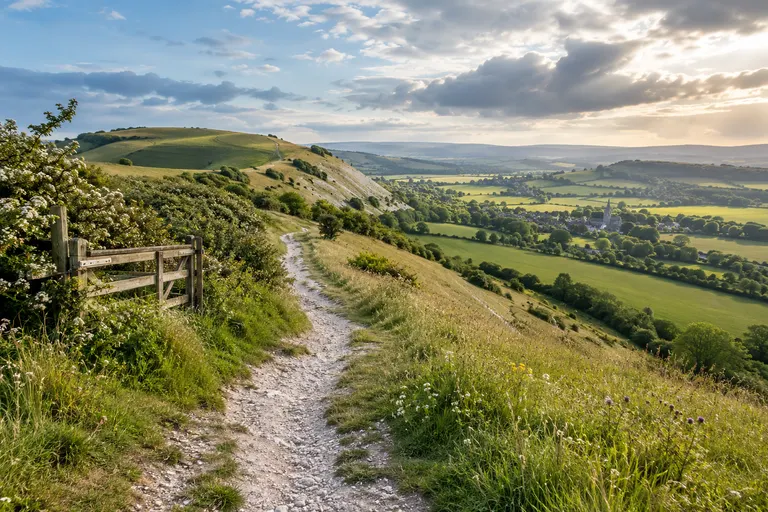
Worthing is the largest town on the West Sussex coast, sitting between the South Downs and the sea. It is a classic seaside resort with a Victorian pier, a long shingle-and-sand beach, and a compact town centre that has become a cultural hub for the wider county. For visitors and residents planning a day out, Worthing works as a coastal base with easy rail access to London, Brighton, and the Downs. The town’s name comes from the Old English “Weorþingas”, meaning the people of Weorþ, a Saxon tribal leader, and it grew from a small fishing and farming village into a resort after the arrival of the railway in 1845.
Pier and Promenade
Worthing Pier is the town’s defining structure and a Grade II listed landmark. It was built in 1862 and was one of the first pleasure piers on the Sussex coast. After storm damage in 1913, a fire in 1933, and later restoration work, it re-opened in its current form. The pier head has a pavilion with a cafe and a small performance space. Opening times and event listings change seasonally, so check the official Worthing Pier website before visiting. Access can also be affected by weather and maintenance.
The promenade runs for roughly 3 miles (5 km) from Heene Road in the west to the eastern end of the beach, with a mix of shingle, concrete walkway, and gardens. It is flat, pushchair-friendly, and largely accessible. The character of the shoreline changes noticeably between the town centre and the quieter eastern end towards Shoreham.
Lido and Beach Conditions
The Worthing Lido, a restored 1930s outdoor pool, sits near the pier and is now managed by a community trust. It operates seasonally and independently; check the venue’s own pages for the current season. The beach itself is shingle, not sand, with groynes, and the water is shallow for some distance. Swimming conditions depend on tides and weather. Check tide times and any local safety notices before entering the water, and consult the council’s beach page for current conditions.
Town Centre and Cultural Venues
The town centre sits a short walk inland from the shore, roughly 500 m from the pier. The main shopping streets run roughly parallel to the coast and include the pedestrianised Montague Street, South Street, and the indoor Guildbourne Centre. The area has a mix of independent shops, chain stores, and a covered market.
Worthing’s cultural offer is compact but useful. The Worthing Museum and Art Gallery, on Chapel Road, covers local history, archaeology, and holds one of the largest costume collections in the South East. The Connaught Theatre, a 1930s venue on Union Place, programmes theatre, comedy, and film. The Dome Cinema on Marine Parade is one of the oldest working cinemas in Britain and shows a mix of mainstream and independent film. The Colonnade House on Warwick Street is a creative hub run by the local council and hosts contemporary art exhibitions. These venues are small and their programmes change frequently; check the official venue sites before planning a visit.
Pier Pavilion and Assembly Hall
The assembly hall and the pavilion on the pier host events, but their programmes also change frequently. The Worthing Theatres group (Connaught Theatre and the Pavilion Theatre) programmes drama, comedy, and music; check their own listings for current shows. The Dome Cinema, one of the oldest surviving purpose-built cinemas in the country, sits on Victoria Road.
Cissbury Ring and the South Downs
Cissbury Ring, the largest hillfort in Sussex, sits on the Downs north of Findon, about 5 miles (8 km) from Worthing town centre. The hillfort dates from the Iron Age and contains the remains of Neolithic flint mines; the earthworks enclose about 60 acres (24 ha). The summit gives views across the coastal plain to the sea and, on clear days, towards the Isle of Wight.
Access is on foot only, with the main car park at the foot of the hill off the A24 near Findon. From there it is a steady climb of about 1.5 km to the top. The route crosses chalk downland, so it can be slippery after rain. The site is open at all times and is managed by the National Trust, which notes that the flint mines are fragile and should not be climbed on. No entrance fee applies, but donations are welcomed. The hill is a scheduled monument and a Site of Special Scientific Interest. The South Downs Way runs nearby, and the hillfort is a short detour from the main trail. The Downs link to the town via a network of footpaths and bridleways.
Practical Details
Worthing sits roughly 10 miles west of Brighton and 18 miles east of Chichester, at the foot of the South Downs. The town is served by direct Southern trains from London Victoria (about 1 hour 25 minutes, 2025 timetable) and by the A24 and A27. The town is known for its microclimate, with relatively low rainfall compared to much of the UK, which has supported market gardening and a tradition of sunbathing on the beach. Worthing is sometimes described as “sunny Worthing” for its relatively high sunshine hours. The town is a base for exploring the wider West Sussex coastal plain, including Arundel, Chichester, and the harbour villages.
Read next
-
Arundel
Arundel sits in the Arun Valley on the western edge of the South Downs National Park, roughly halfway between Chichester and Worthing.
-
Bognor Regis
Bognor Regis is a seaside town on the West Sussex coastal plain, roughly 10 miles south-east of Chichester and about 20 miles west of Worthing.
-
Chichester
Chichester is the historic heart of West Sussex, a city with Roman roots and a compact centre that is easy to explore on foot.
-
Crawley
Crawley is West Sussex’s largest town, a postwar New Town that grew around a medieval market core, and the place most visitors to the county pass through without stopping.
-
East Grinstead
East Grinstead sits in the far north-east of West Sussex, close to the Surrey and Kent borders, and is the county’s easternmost town of any size.
-
Haywards Heath
Haywards Heath is a central West Sussex market town with a fast rail link to London, making it a practical base for exploring the surrounding countryside, gardens and villages.